
Gambling's historical evolution tracing the roots of chance and strategy
The Beginnings of Gambling: Ancient Roots
The origins of gambling can be traced back to ancient civilizations where the act of placing bets on uncertain outcomes was not only a form of entertainment but also a way to connect with the divine. Archaeological findings suggest that dice made from animal bones were used in Mesopotamia around 3000 BC. These rudimentary forms of gambling laid the groundwork for games that would evolve over millennia. Early betting practices reflected social hierarchies and economic structures, with the nobility often participating in more elaborate games. Today, many players seek reputable platforms like payid casino, enhancing their experience.

In ancient China, gambling flourished with the creation of games like the lottery, which were used not only for entertainment but also to fund government projects. The Chinese Book of Songs even references gambling, highlighting its significance in cultural rituals and communal gatherings. As gambling spread through trade routes, it integrated into various societies, each adding its own cultural nuances and rules, thereby enriching the global tapestry of chance and strategy.
The Greeks and Romans also embraced gambling, with dice games and betting on sports becoming commonplace. These cultures regarded gambling as a form of leisure, and it was often intertwined with festivals and public events. Roman emperors, in particular, endorsed gambling as a means to distract the populace from political issues. This historical context sets the stage for the modern gambling landscape, where chance and strategy continue to coexist.
The Rise of Casinos: From Europe to America
The concept of the casino began to take shape in the 17th century, particularly in Italy, where establishments called “casa da giuoco” emerged. These venues provided a dedicated space for various games of chance, attracting the elite and those seeking fortune. The games developed during this time, such as baccarat and roulette, emphasized both chance and player strategy, establishing foundational rules that would influence modern gambling. The popularity of these games spread across Europe, leading to the establishment of grand casinos in cities like Monte Carlo and Baden-Baden.
By the 19th century, gambling had made its way to America, coinciding with the country’s westward expansion. The first commercial casino in the United States opened in New Orleans, capitalizing on the Gold Rush and the influx of fortune seekers. Over time, different regions adapted the concept, with Las Vegas eventually becoming the epicenter of casino culture. The unique blend of chance and strategy in these venues created an alluring atmosphere, making gambling a popular pastime and driving tourism and economic growth.
The evolution of casinos also saw the introduction of more complex games and betting systems. Poker, for instance, combined elements of chance with psychological strategy, requiring players to outsmart their opponents while managing their risks. As gambling became institutionalized, regulations were introduced, aiming to ensure fairness and security. This marked a significant transformation from informal bets to organized gambling, shaping how people engage with chance and strategy in today’s gaming world.
The Digital Revolution: Online Gambling Emerges
The late 20th century witnessed a paradigm shift in gambling with the advent of the internet. Online casinos began to emerge in the 1990s, providing players the convenience of gambling from their homes. This digital revolution opened new doors for both operators and players, enabling access to a wide variety of games and betting options. The transition from physical casinos to online platforms required a rethinking of strategies, as players now faced different dynamics in terms of risk and decision-making.
The rise of online gambling also brought technological advancements, such as random number generators and sophisticated algorithms, which enhanced game fairness and player experience. Live dealer games emerged, blending the thrill of traditional casinos with the accessibility of online platforms. This development allowed players to interact with real dealers while enjoying the comfort of their homes, creating a unique social aspect in an otherwise digital environment. These innovations reflected the ongoing evolution of gambling, emphasizing the relationship between chance and strategic play.
Moreover, the online gambling industry has seen significant growth in recent years, driven by mobile technology and increased internet accessibility. Players can now engage in gambling activities anytime and anywhere, leading to more strategic considerations regarding time and money management. This shift has also raised questions about responsible gambling practices, as operators and regulators work to ensure safe environments for players. As the digital landscape continues to evolve, the interplay between chance and strategy remains at the core of online gambling experiences.
The Psychology of Gambling: Chance vs. Strategy
The psychology of gambling delves into the motivations and behaviors of players, revealing why individuals are drawn to games of chance. Many people enjoy the thrill and excitement associated with uncertainty, which can lead to an adrenaline rush. This emotional high can create a desire to return to gambling, regardless of previous outcomes. Understanding the psychological aspects of gambling is crucial for both players and operators in creating engaging experiences while promoting responsible gambling practices.
Strategically, successful gamblers often employ various methods to increase their chances of winning. This includes understanding game rules, calculating probabilities, and developing betting systems. For instance, in games like blackjack, players can use strategies such as card counting to gain an edge over the house. However, the reliance on strategies can sometimes lead to a false sense of control, where players believe they can outsmart chance, which can be both empowering and dangerous.
The balance between chance and strategy remains a key factor in the gambling experience. While the outcome of most games is ultimately determined by luck, the strategic decisions made by players can influence their overall experience and potential for winnings. This dynamic interplay continues to fascinate researchers and players alike, fueling ongoing discussions about the nature of gambling as both a game of chance and a strategic endeavor.
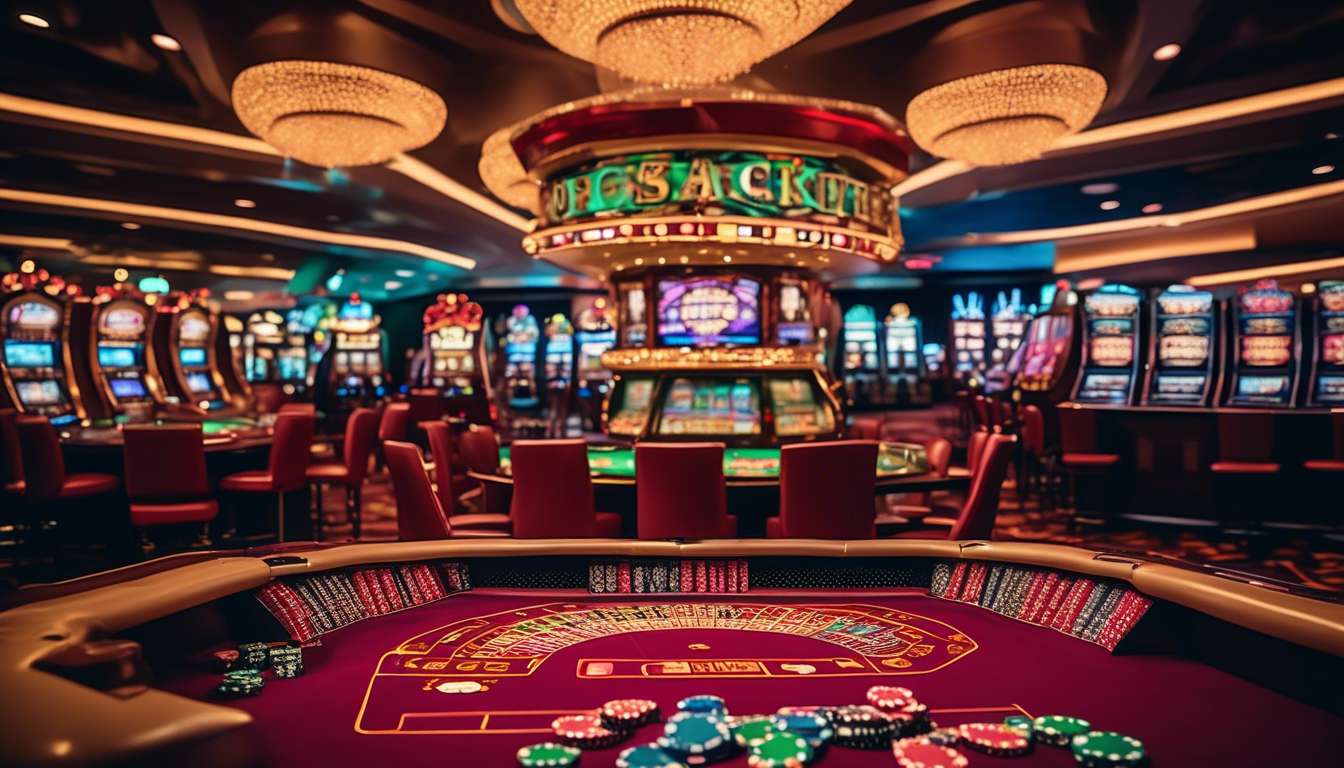
Your Guide to Online Gambling Platforms
As the world of online gambling continues to expand, finding the right platform becomes essential for an optimal experience. With countless online casinos and gaming sites available, players must navigate through various options to discover the best choices. Features such as secure transactions, user-friendly interfaces, and diverse game selections are critical in evaluating online casinos. Expert reviews and comparisons can assist players in making informed decisions that align with their gaming preferences.
Moreover, responsible gambling practices are becoming increasingly important in the digital landscape. Many online casinos now offer tools that allow players to set limits on their deposits, wagers, and gaming sessions. This ensures that the excitement of gambling does not lead to negative consequences. Websites dedicated to providing insights into responsible gambling can also guide players towards healthier gaming habits, helping them strike a balance between fun and caution.
In conclusion, the online gambling landscape offers a wealth of opportunities for enthusiasts, from traditional casino games to innovative betting systems. By exploring various platforms and utilizing available resources, players can enhance their online gaming experiences while keeping chance and strategy at the forefront of their endeavors. Embrace the evolving world of online gambling, and enjoy the blend of excitement and strategy that awaits you!